How to protect your outdoor HVAC unit from weather damage
Your outdoor HVAC unit – the condenser or heat pump – works year-round to exchange heat with the environment. It’s exposed to rain, snow, sun, and debris, all of which can reduce performance or cause premature wear. Proper protection and outdoor HVAC unit maintenance help preserve the unit’s efficiency and prevent expensive repairs caused by corrosion, blockage, or freezing.
Why outdoor protection matters
Outdoor units are designed to withstand harsh weather, but constant exposure still affects them over time. Moisture promotes rust, dust restricts airflow, and ice formation can damage coils or fan blades. Protecting your HVAC system from these factors ensures smooth operation, reduces strain on internal components, and extends the lifespan of the entire system.
1. Keep the area around the unit clear
Maintain at least 60 cm (2 feet) of clearance on all sides. Remove leaves, branches, and debris regularly, especially during fall. Overgrown plants block airflow, forcing the compressor and fan to work harder. Trim shrubs and grass nearby and avoid placing decorative items or objects on top of the unit.
2. Clean the condenser coils
Dirt and pollen can accumulate on the coils and reduce heat exchange efficiency. At least twice a year — once in spring and once in fall — turn off the power and gently rinse the coils from inside out with a garden hose. Avoid using pressure washers; high pressure can bend the fins and block airflow.
3. Elevate the unit above ground level
If your area experiences heavy rainfall or snow, the outdoor unit should be elevated on a concrete or composite platform. This prevents water accumulation that can lead to corrosion or electrical shorts. For heat pumps, elevation also helps avoid snow and ice buildup around the base during winter.
4. Protect from falling ice and snow
In cold climates, falling ice from roofs or gutters can damage the fan grille or coil housing. Install a small overhang or protective cover above the unit, but leave plenty of space for air circulation. Do not wrap the unit completely — lack of airflow traps moisture and accelerates rust.
5. Use a breathable cover during off-season
If you don’t use your air conditioner in winter, cover it with a breathable, weather-resistant fabric designed specifically for condensers. The cover should shield the top and sides while leaving some ventilation at the bottom to prevent condensation buildup. Avoid using plastic tarps, which trap moisture and cause internal corrosion.
6. Check drainage around the base
Poor drainage can lead to standing water that corrodes metal parts and damages wiring. Make sure the ground slopes slightly away from the unit. If necessary, add gravel or drainage channels to improve runoff.
7. Inspect electrical connections and insulation
Moisture and temperature fluctuations can loosen or corrode electrical contacts. Inspect connections annually, and replace any cracked insulation on refrigerant lines. Keeping wiring sealed and dry prevents short circuits and efficiency loss.
8. Clean the fan and grill
Leaves or sticks can lodge between the fan blades and grill, creating noise and vibration. Turn off power before cleaning. Check that the fan spins freely and that the grill screws are tight. If the fan motor makes unusual sounds, it may need lubrication or replacement.
9. Prevent rust and corrosion
Apply a thin coat of anti-corrosion spray or HVAC coil protectant once a year, especially if you live near the coast where salt air accelerates rust. Ensure all painted surfaces remain intact; touch up any scratched or chipped areas to prevent metal exposure.
10. Manage pests and insects
Outdoor units can attract insects, rodents, or birds seeking shelter. Nesting material inside the housing can block the fan or cause electrical damage. Keep vegetation trimmed, use pest screens if necessary, and inspect the unit periodically for signs of intrusion.
11. Monitor snow and ice in winter
If your system runs year-round (as a heat pump), clear snow and ice from the top and sides after each storm. Blocked airflow can cause the unit to freeze and shut down. Use a soft brush or broom — never metal tools — to avoid damaging fins.
12. Inspect refrigerant lines
Refrigerant lines are often wrapped in foam insulation to prevent energy loss. Replace any worn or missing insulation to maintain proper system performance. Secure the lines so they don’t vibrate or rub against sharp edges.
13. Schedule professional maintenance
Even with good outdoor care, professional inspections once or twice a year are essential. Technicians will check refrigerant levels, clean coils, tighten connections, and verify electrical safety. They can also apply anti-corrosion treatments and ensure the unit operates efficiently under load.
14. Avoid common mistakes
- Do not block airflow: Covers or barriers that trap air cause overheating.
- Do not enclose the unit: Fencing too close reduces ventilation.
- Do not use de-icing chemicals: Salt and de-icers corrode metal quickly.
Benefits of protecting your outdoor unit
- Extended lifespan: Components resist corrosion and wear.
- Improved efficiency: Clean coils and clear airflow reduce power use.
- Lower repair costs: Prevents damage from debris, ice, or pests.
- Stable comfort: Reliable operation during temperature extremes.
Your outdoor HVAC unit faces every change in weather — from heat waves to snowstorms. Keeping it clean, elevated, and well-maintained is the simplest way to ensure uninterrupted comfort indoors. A few preventive measures and seasonal checks protect your investment, maintain performance, and guarantee that your HVAC system delivers efficient, quiet operation year after year.
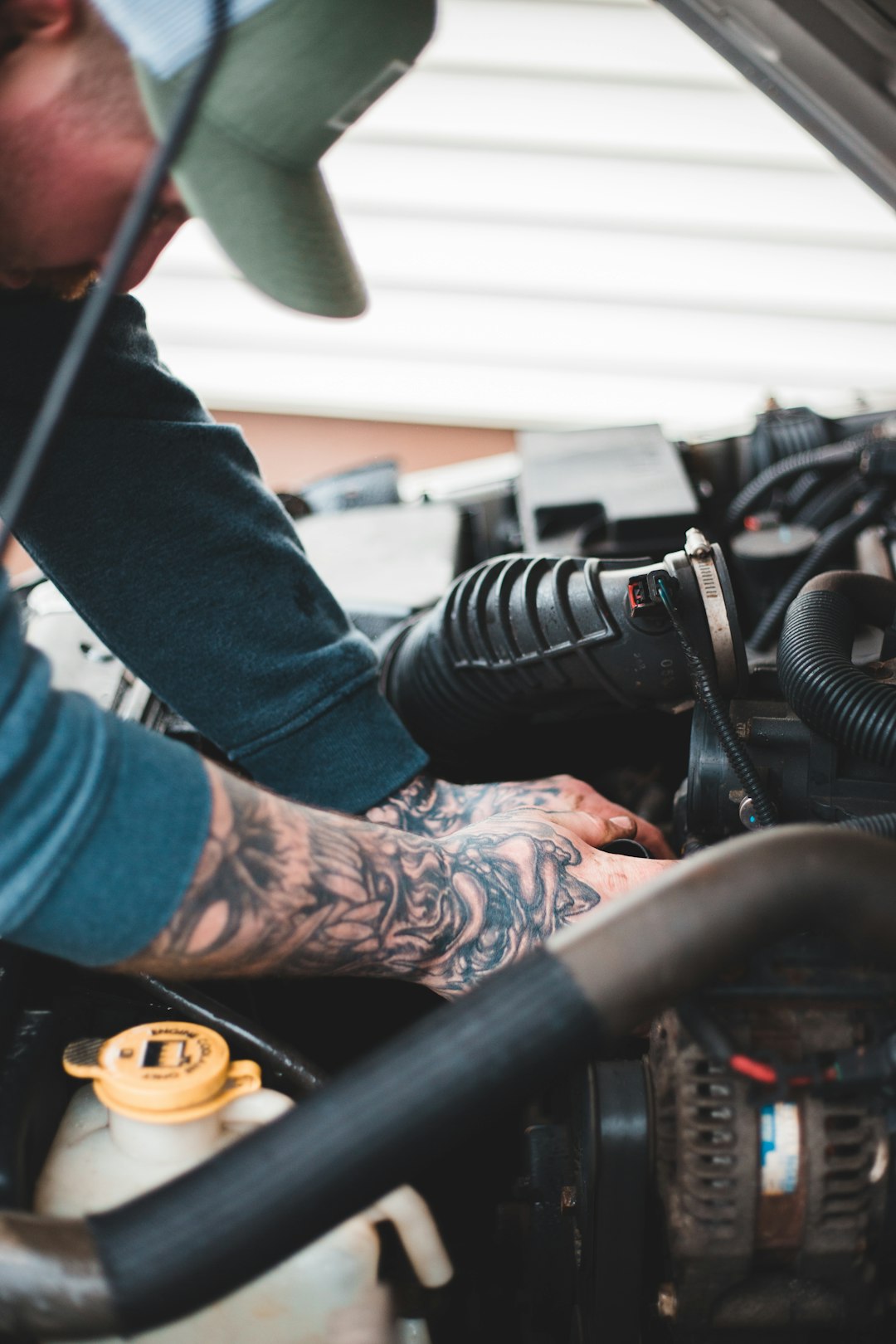 When it pertains to sturdy cars, diesel vehicles are the workhorses of the road. These powerful makers are important for delivering items, building jobs, and also a wide range of commercial applications. Nevertheless, like any kind of mechanical tools, diesel vehicles require proper upkeep as well as occasional repair work to keep them running smoothly as well as effectively. In this post, we will certainly explore the value of diesel truck repair work as well as the key factors to consider when selecting a reputable repair work solution.
 When it comes to accommodation alternatives, there’s something extremely special concerning staying at a b and b. These quaint, cozy establishments offer a special as well as tailored experience that simply can not be replicated by larger hotels or commercial chains. Whether you’re preparing an enchanting trip, a household vacation, or a solo adventure, remaining at a b and b uses a cozy and inviting atmosphere that will certainly make you really feel right at home.
 Why Crane Provider Are Vital for Building Projects
 5 Factors to Hire Expert Residence Cleansing Solutions
 Why Electric Security is Important in the Construction Market
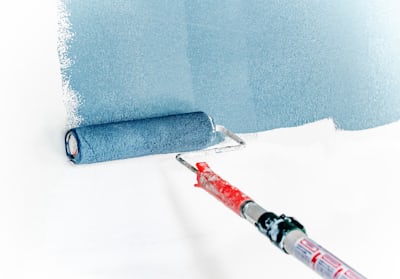 When it involves revitalizing the look of your home or office, paint is among one of the most cost-effective as well as impactful options. Nonetheless, the quality of the paint task can make all the distinction. That’s where hiring a specialist paint service provider is available in. While some might be attracted to attempt a do it yourself paint work, there are many benefits to employing the aid of an experienced as well as seasoned specialist. In this article, we will certainly check out the top reasons that employing a specialist paint contractor is a clever choice.